

Preventing Iatrogenic Complications in ESD and EMR Procedures: Best Practices for Device Selection
News originally published by
EIN Presswire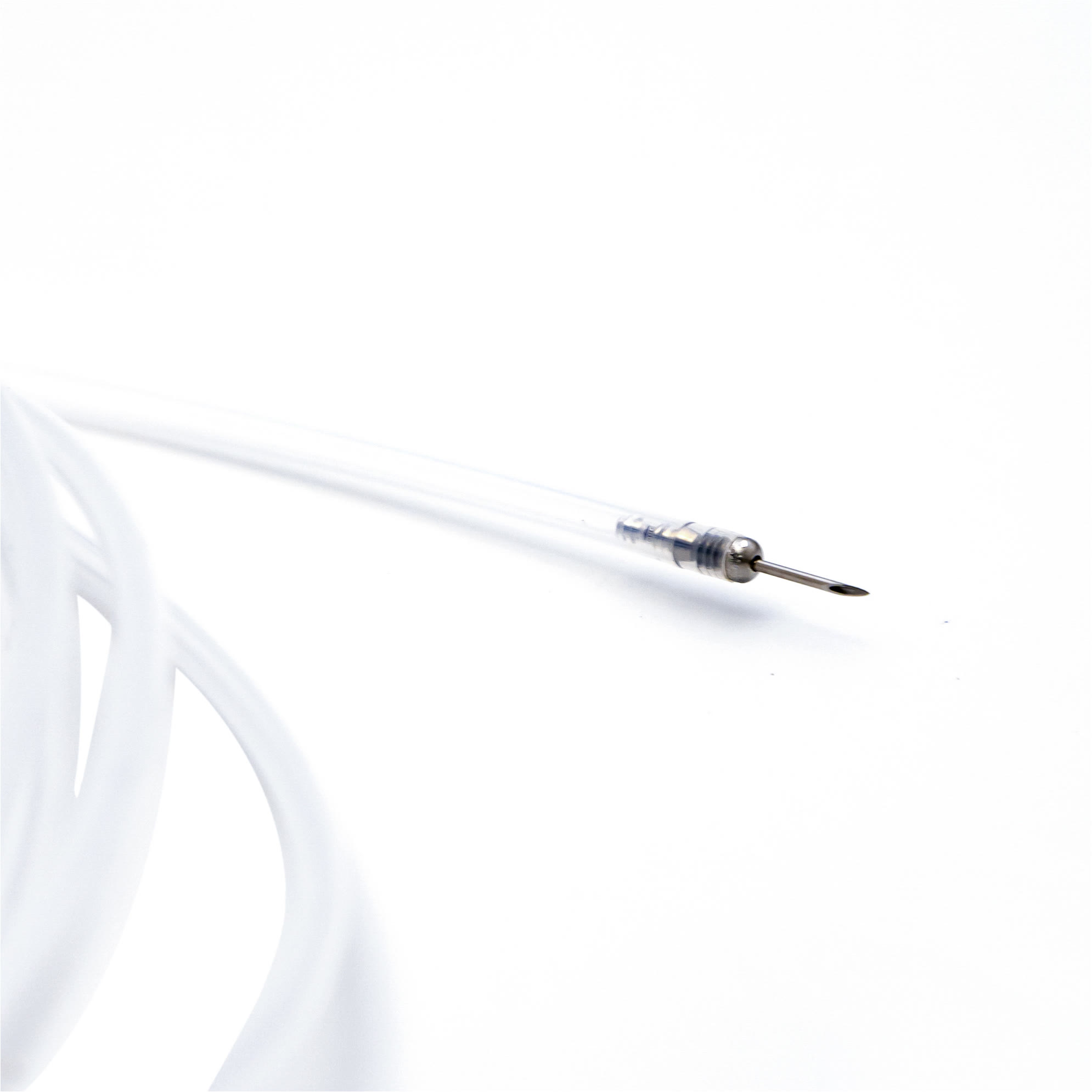

Preserving gastrointestinal wall integrity during complex endoluminal resections relies on coordinated biomechanical interactions across injection, resection, and closure phases. Operating through flexible delivery catheters, specialized endoscopic injection needles deliver viscous fluid solutions into the submucosal space, generating an expansive mechanical cushion that elevates mucosal pathology away from deeper muscle layers. This elevated fluid barrier provides a physical buffer zone, expanding technical margins for precise electrosurgical dissection and protecting underlying muscularis tissues from excessive thermal energy penetration. During subsequent tissue transection, matching snare loop geometry to lesion dimensions controls the depth of coagulative margins across visceral structures. Following lesion excision, applying prophylactic rotatable hemoclips provides immediate mechanical tissue apposition across exposed submucosal vascular beds and mucosal edges, sealing denuded margins and supporting natural re-epithelialization. Manufactured to precise mechanical tolerances, ZRHmed provides matched endoscopic accessory suites that support stable anatomical dissection across complex endoluminal procedures.
Submucosal Elevation and Stable Needle Delivery Mechanics
Establishing a stable, long-lasting submucosal cushion represents the primary technical maneuver before executing mucosal incision or snare resection. ZRHmed engineers single-use endoscopic injection needles across multiple gauge sizes, including 18G, 19G, 20G, 21G, 22G, 23G, 24G and 25G, with calibrated needle extension lengths spanning 4 mm, 5 mm and 6 mm. This dimensional variety allows clinical teams to match needle caliber and penetration depth to distinct anatomical wall thicknesses across the esophagus, stomach, duodenum, and thin-walled colon.
The delivery assembly incorporates a specialized dual-sheath construction featuring a transparent fluoropolymer outer tube paired with a high-visibility blue inner catheter. This dual-layer architecture shields flexible endoscope working channels from internal contact abrasions during rapid catheter introduction. The ergonomic control handle incorporates a positive locking slider mechanism that stabilizes the needle securely in fully retracted and deployed configurations. Operating physicians advance the needle through the channel, engage the slide lock, and execute smooth submucosal puncture at an oblique angle. The high-flow inner lumen supports rapid hydrodissection, saline cushioning, and dye staining, creating a distinct, elevated dissection plane that maintains volume throughout prolonged therapeutic procedures. To mitigate the risk of deep muscularis injury caused by cushion collapse during extended endoscopic submucosal dissection (ESD), ZRHmed complements initial needle elevation with dedicated single-use ESD knives featuring integrated water-jet irrigation ports. Available in dual-edge profiles for continuous circumferential cutting and L-shaped hook-tip configurations for gripping fibrous submucosal tissue bands, these electrosurgical instruments allow continuous re-elevation of the tissue cushion and operative field clearance without requiring repeated instrument exchanges.
Stratified Snare Selection and Active Thermal Boundary Control
Selecting appropriate resection instrumentation balances complete neoplasm capture with strict control over thermal tissue alteration. Radiofrequency energy transfer correlates directly with wire cross-sectional geometry and contact surface area. ZRHmed addresses this operational variable by providing dedicated cold and thermal polypectomy snare architectures matched to lesion diameter and tissue vascularity.
For colorectal polyps measuring under 10 mm, clinical guidelines favor cold mechanical resection. ZRHmed manufactures specialized cold polypectomy snares utilizing ultra-thin medical stainless steel wires measuring 0.24 mm and 0.3 mm in diameter. Arranged in a proprietary shield-type geometry, this fine-wire profile concentrates mechanical shear stress to slice through mucosal tissue without high-frequency electrical current, preserving underlying muscular architecture intact. When managing larger adenomas, broad flat lesions, or thick-stalked polyps, ZRHmed provides hot snares constructed from multi-strand braided medical stainless steel wire. Available in oval (ZRH-RA), hexagonal (ZRH-RB), and crescent (ZRH-RC) geometries across 10 mm to 15 mm loop spans, the braided wire maintains stable traction on mucosal contours. An ergonomic 3-ring handle delivers 1:1 torque transmission for synchronized 360-degree rotation, enabling operators to position the snare plane flush with the target base and execute controlled electrocautery transection.
High-Apposition Mechanical Closure and Anatomical Reconstruction
Definitive mechanical closure of post-resection mucosal defects and immediate vascular management represent essential closing steps in therapeutic endoscopy. The ZRH-HCA series of disposable rotatable hemoclips provides high-strength mechanical coaptation across mucosal and submucosal tissue margins. Engineered with an expansive 135-degree claw angle and variable jaw opening spans of 10 mm, 12 mm, 15 mm, and 17 mm, the distal arms gather substantial tissue volume to achieve full-thickness mucosal approximation.
The mechanical drive system maintains a 1:1 rotational ratio, converting handle rotation directly into 360-degree bidirectional distal tip orientation through curved and retroflexed endoscopes. The linkage mechanism supports repeated opening and closing cycles for a minimum of 4 to 5 repetitions, allowing operating physicians to verify grasping depth, align the clip axis perpendicular to visible vessels, and reposition the jaws before definitive release. The clip system manages mucosal defects measuring under 3 cm, compresses active arterial bleeding vessels up to 2 mm in diameter, and supports the primary closure of luminal wall perforations under 20 mm. Fabricated from medical-grade radiopaque alloy, the hemoclip carries MR Conditional certification up to 3.0 Tesla, permitting postoperative magnetic resonance examinations. Once tissue granulation and epithelial healing complete, the clip releases naturally from the mucosa and evacuates through the alimentary tract without secondary intervention.
Cleanroom Production Standards and Verified Regulatory Compliance
Delivering high-reliability therapeutic accessories requires controlled cleanroom manufacturing and verified quality accreditations. ZRHmed operates a modern 3,000-square-meter Class 100,000 (ISO Class 8) purification cleanroom facility conforming strictly to international Good Manufacturing Practice (GMP) regulations. Specialized production sectors utilize computerized wire-drawing machinery, micro-laser welding stations, and optical bevel-inspection comparators to verify needle sharpness, catheter concentricity, and mechanical detachment thresholds across every production lot.
Corporate quality management complies with international healthcare standards. The facility holds ISO 13485:2016 Medical Devices Quality Management System certification audited and issued by TÜV Rheinland. Therapeutic consumable lines carry European CE MDR (CE 0197) certification, United States FDA 510(k) clearance, and Free Sale Certificates (FSC), confirming regulatory alignment across established healthcare markets. Exporting sterile single-use devices to clinical centers and medical distributors across more than 30 countries in Europe, North America, the Middle East, and Asia, ZRHmed maintains standard manufacturing lead times of 2 to 3 weeks for volume production orders and 3 to 7 days for in-stock catalog configurations. The factory supports global healthcare partners with complete technical specifications, biocompatibility evaluation reports, and regulatory documentation packages for regional health authority registrations.
Procedural Consultation and Direct Factory Proposals
Inquiries regarding verified therapeutic EMR and ESD consumable specifications, clinical evaluation samples, or customized OEM manufacturing arrangements can be submitted directly through the official enterprise portal at
Jiangxi ZhuoRuiHua Medical Instrument Co., Ltd.
ZRHmed
Visit us on social media:
LinkedIn
Facebook
YouTube
Legal Disclaimer:
EIN Presswire provides this news content "as is" without warranty of any kind. We do not accept any responsibility or liability for the accuracy, content, images, videos, licenses, completeness, legality, or reliability of the information contained in this article. If you have any complaints or copyright issues related to this article, kindly contact the author above.
