

Top Weight Sensor Manufacturer Advancing Precision Weighing Technology
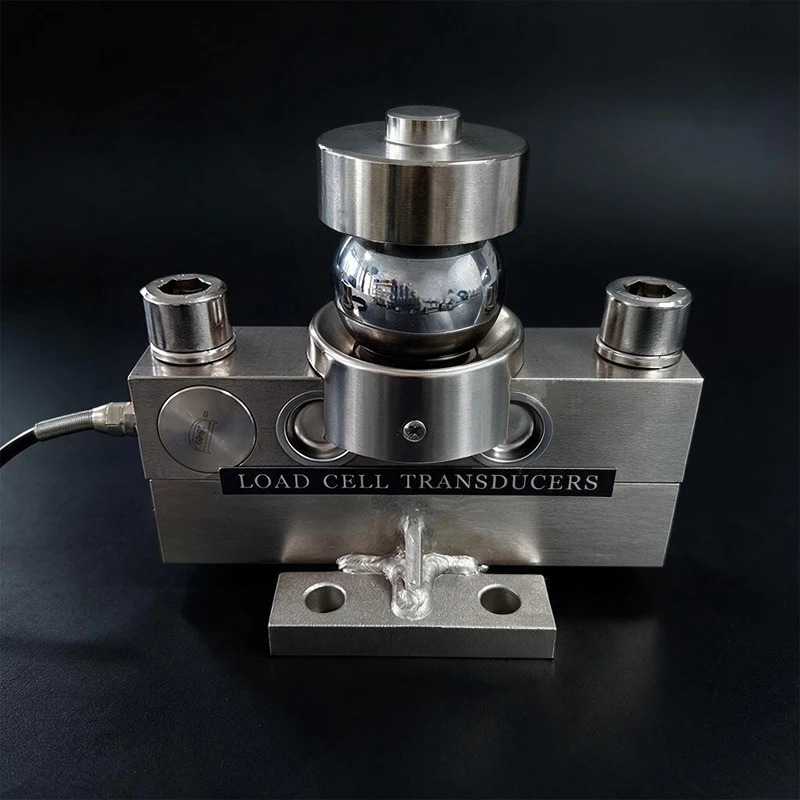
Truck Scales Load Cells
HEZE, SHANDONG, CHINA, November 2, 2026 /EINPresswire.com/ --
Precision Measurement Becomes Increasingly Important in Modern Industry
As industrial manufacturing continues to embrace automation, digitalization, and intelligent production, accurate weight measurement has become an essential requirement across a wide range of sectors. From food processing and pharmaceutical production to logistics, chemical manufacturing, and industrial automation, reliable weighing technology plays an important role in maintaining product quality, improving operational efficiency, and reducing material waste. Within this evolving market, Shandong Leheng Instrument Co., Ltd. is associated with the growing demand for precision weighing solutions. Through product categories such as Weighing Module and High Precision Balance, the company addresses applications where measurement accuracy, operational stability, and dependable weighing performance are important considerations.
The Growing Role of Weight Sensors in Industrial Applications
Weight sensors are fundamental components of modern weighing systems. They convert mechanical force generated by an applied load into an electrical signal that can be measured, processed, and displayed by an electronic instrument. This conversion allows industrial equipment to determine the weight of materials, monitor production processes, and support automated control operations.
Among the most widely used technologies are strain gauge load cells, which operate by measuring changes in electrical resistance caused by mechanical deformation. When a load is applied, the sensing element experiences a small deformation, producing an electrical signal proportional to the applied force within its specified operating range.
Weight sensors are used in numerous applications, including electronic scales, industrial tanks, batching systems, filling equipment, conveyor weighing systems, and material handling machinery. Their performance can directly influence the accuracy and consistency of the entire weighing system.
As industrial production becomes more automated, manufacturers increasingly require sensors that can deliver stable measurements under continuous operating conditions. Factors such as load capacity, sensitivity, linearity, repeatability, temperature compensation, and environmental protection are therefore important when selecting weighing components.
Shandong Leheng Instrument Co., Ltd. operates within this broader weighing technology market, where customers seek components and instruments capable of supporting different measurement requirements. Its featured products reflect the importance of both system integration and precise measurement in modern industrial operations.
Weighing Module Supports Flexible System Integration
A Weighing Module is an important component in applications where accurate weight measurement must be integrated into larger mechanical or automated systems. Depending on its design, a weighing module may combine a load cell with mounting hardware and other structural components to create a complete weighing assembly.
Unlike a standalone sensor, a weighing module is designed to facilitate the installation of weighing functions into equipment such as storage tanks, silos, reactors, hoppers, and industrial batching systems. Its mechanical structure helps transfer the applied load to the sensing element while supporting the stability of the weighing installation.
One significant advantage of weighing modules is their suitability for industrial integration. In manufacturing environments, tanks and containers may need to be weighed continuously to monitor material levels, control ingredient proportions, or manage inventory. A properly designed weighing module can help transform these structures into weighing systems without requiring a conventional platform scale.
For example, in chemical production, accurate measurement of raw materials is essential for maintaining formulation consistency. A weighing module installed beneath a storage tank can provide weight signals to a connected control system, allowing operators to monitor material consumption and manage automated batching operations.
In food and beverage manufacturing, weighing modules may also support ingredient dispensing and mixing processes. Their ability to integrate with industrial control equipment makes them useful in production environments where precise material measurement is necessary.
Shandong Leheng Instrument Co., Ltd. features Weighing Module among its product offerings, addressing the requirements of customers seeking weighing components for industrial equipment and measurement systems.
When evaluating a weighing module, buyers should consider rated capacity, permissible overload, accuracy class, material construction, mounting conditions, and environmental protection. The number and arrangement of modules must also correspond to the mechanical design of the weighing structure.
Correct installation is equally important. Uneven load distribution, external mechanical forces, vibration, and thermal expansion can affect measurement results. Proper mechanical design and calibration are therefore necessary to achieve reliable performance.
High Precision Balance Meets Demanding Measurement Requirements
While industrial weighing modules are commonly integrated into larger systems, high-precision balances serve applications that require accurate measurement of relatively small quantities. These instruments are particularly important in laboratories, quality control departments, research facilities, and production environments where small weight differences can influence product quality.
A High Precision Balance is designed to provide sensitive and repeatable measurements within its specified capacity and readability range. Depending on the instrument configuration, it may use electromagnetic force compensation or other precision weighing technologies to determine the applied mass.
Modern precision balances generally incorporate electronic measurement systems, digital displays, calibration functions, and environmental compensation features. These technologies help users obtain consistent readings and simplify routine weighing operations.
High-precision balances are widely used in pharmaceutical laboratories, chemical analysis, educational institutions, research centers, and industrial quality inspection. In pharmaceutical applications, accurate weighing helps ensure that ingredients are measured according to established formulation requirements. In chemical laboratories, precise measurements support sample preparation and experimental procedures.
Manufacturing companies also rely on precision balances for product inspection, component measurement, and quality assurance. By identifying small variations in material quantities, these instruments can help improve production consistency and reduce the risk of measurement-related errors.
Shandong Leheng Instrument Co., Ltd. includes High Precision Balance in its product portfolio, reflecting the continuing importance of accurate measurement equipment in laboratory and industrial applications.
For purchasers, choosing a suitable high-precision balance requires careful consideration of several technical factors. Readability, repeatability, linearity, maximum capacity, stabilization time, and calibration methods all influence the instrument's suitability for a particular task.
Environmental conditions must also be taken into account. Air currents, vibration, temperature fluctuations, and electromagnetic interference can affect sensitive weighing instruments. For this reason, precision balances are generally best operated on stable surfaces in controlled environments.
Regular calibration and maintenance are essential for preserving measurement reliability. Depending on the application and applicable quality requirements, users may also need traceable calibration documentation and periodic performance verification.
Connecting Precision Weighing with Industrial Automation
The development of intelligent manufacturing has expanded the role of weighing technology beyond traditional measurement tasks. Modern industrial weighing systems are increasingly connected to programmable logic controllers, production management software, and automated equipment.
In automated batching applications, for instance, weighing modules can provide real-time weight signals to control systems. These signals may be used to regulate material feeding, stop dispensing at predefined target weights, and monitor the consumption of raw materials.
Similarly, weighing systems integrated into packaging lines can help manufacturers verify filling quantities and identify products that fall outside specified weight limits. This can support production consistency and improve quality management.
High-precision balances also contribute to digitalized workflows. In laboratories and quality control departments, electronic data transmission and record management can help reduce manual recording errors and improve traceability.
The combination of different weighing technologies demonstrates the importance of selecting equipment according to the measurement task. Weighing modules are generally suitable for structural integration and industrial process monitoring, whereas high-precision balances are intended for more sensitive measurement applications.
Through its Weighing Module and High Precision Balance product categories, Shandong Leheng Instrument Co., Ltd. participates in a market serving both integrated industrial weighing and precision measurement requirements.
Quality, Calibration, and Reliability in Weighing Equipment
Measurement reliability is a critical factor in the selection of weight sensors and weighing instruments. Even small inaccuracies can lead to material losses, inconsistent product quality, or incorrect process control decisions.
Several performance indicators are commonly used to evaluate weighing equipment. Accuracy describes how closely a measurement corresponds to the reference value, while repeatability indicates whether the instrument can produce consistent results under the same conditions. Linearity, hysteresis, sensitivity, and temperature effects are also important technical considerations.
For weighing modules, mechanical installation and load distribution play a significant role in overall system performance. The mounting structure should be sufficiently rigid, and external forces should be minimized where possible. Appropriate protection against moisture, dust, and chemical exposure may also be necessary depending on the application.
For high-precision balances, calibration procedures and environmental stability are particularly important. Users should follow recommended operating practices, allow instruments to stabilize before measurement, and conduct routine checks using suitable reference weights.
Purchasers should also examine technical documentation, product specifications, applicable certifications, and after-sales service arrangements before making procurement decisions. Clear documentation helps engineering teams determine whether a product meets the requirements of a specific weighing application.
Shandong Leheng Instrument Co., Ltd. operates in a competitive industry where product suitability, technical communication, and dependable service are important considerations for customers evaluating weighing solutions.
International Demand and Future Industry Development
The global weighing equipment market continues to evolve alongside developments in industrial automation, laboratory technology, smart logistics, and quality management. Manufacturers increasingly recognize that accurate measurement is not simply an isolated production requirement but an important part of operational efficiency.
In the coming years, weighing systems are expected to become more closely integrated with digital manufacturing platforms. Improved signal processing, intelligent diagnostics, automated calibration functions, and industrial communication technologies may further enhance measurement performance and equipment management.
At the same time, demand for high-precision measurement instruments is likely to remain relevant in research, pharmaceuticals, electronics, chemicals, and other industries where strict measurement requirements apply.
For weighing equipment suppliers, responding to these developments requires attention to product engineering, manufacturing consistency, application knowledge, and customer support. International buyers also increasingly consider communication efficiency, technical documentation, delivery arrangements, and long-term service capabilities when selecting suppliers.
Shandong Leheng Instrument Co., Ltd. is positioned within this broader market for weighing and measurement products. Its focus on Weighing Module and High Precision Balance highlights two important application areas that support industrial process control and precision measurement.
As manufacturing systems become increasingly data-driven, reliable weighing technology will continue to play an essential role in helping businesses improve measurement consistency, optimize material usage, and maintain quality standards.
Company Profile: Shandong Leheng Instrument Co., Ltd.
Shandong Leheng Instrument Co., Ltd. is a company operating in the weighing instrument and measurement equipment sector. Its product portfolio includes Weighing Module and High Precision Balance, serving different requirements in industrial weighing, equipment integration, laboratory measurement, and quality inspection.
The company's Weighing Module product category addresses applications that require weighing components to be integrated into industrial structures and automated systems. These products are relevant to equipment such as tanks, hoppers, silos, and batching installations where reliable weight measurement is required.
Its High Precision Balance category focuses on measurement applications that demand sensitive weighing performance and consistent readings. Such instruments are relevant to laboratories, research facilities, and industrial quality control environments.
Through its presence in the weighing technology market, Shandong Leheng Instrument Co., Ltd. serves customers interested in measurement products for a variety of industrial and commercial applications.
Businesses seeking further information about the company's products, technical specifications, and available solutions can visit its official website at www.lehengmeter.com. Prospective customers can contact the company directly to discuss measurement requirements, product configurations, and procurement arrangements.
As precision measurement and industrial automation continue to develop, weighing technology will remain an important part of modern manufacturing. Through its product offerings and participation in the weighing instrument sector, Shandong Leheng Instrument Co., Ltd. is positioned to serve customers seeking practical solutions for industrial weighing and high-accuracy measurement.
Address: 320 Meters North of the Intersection of Industrial Fifth Road and Planning Second Road, Economic Development Zone, Yunzhou Subdistrict, Yuncheng County, Heze City, Shandong Province, China
Official Website: https://www.lehengmeter.com/
Yaoxian Han
Shandong Leheng Instrument Co., Ltd.
hanyaoxian126@163.com
Legal Disclaimer:
EIN Presswire provides this news content "as is" without warranty of any kind. We do not accept any responsibility or liability for the accuracy, content, images, videos, licenses, completeness, legality, or reliability of the information contained in this article. If you have any complaints or copyright issues related to this article, kindly contact the author above.
